
Criminal Injuries Compensation – Victim Compensation Claims
If you’ve suffered physical or psychological injuries as a result of a violent crime in England, Wales, or Scotland, you may be eligible to make a victim compensation claim through the Criminal Injuries Compensation Authority (CICA) scheme. The UK government’s CICA scheme offers financial relief to blameless victims who have suffered injuries due to violent incidents and have no other means of recovering compensation.
Whether you were the victim of knife crime, a stabbing, gun crime, grievous bodily harm (GBH), actual bodily harm (ABH), sexual assault, sexual abuse, child abuse, or human trafficking, you can apply for compensation – even if the offender has not been caught or prosecuted. Families of murder victims are also eligible to seek compensation through the scheme.
Our experienced solicitors offer no-obligation advice and can guide you step-by-step through the process of making a claim. You can call us directly or request a callback to get tailored support for your individual circumstances.
What is Assault and Different Types of Assaults?
Assault is defined as any act where an individual is physically attacked or threatened with violence. It encompasses a broad range of behaviours-from being pushed or slapped to being attacked with weapons such as knives or bottles. UK law recognises several distinct categories of assault based on the severity of harm inflicted and the circumstances of the incident.
These include Common Assault, which typically involves threats or minor physical force without serious injury; Actual Bodily Harm (ABH), where the victim suffers noticeable injuries like bruises or scratches; and Grievous Bodily Harm (GBH), which involves severe injuries such as stabbing, fractures, or gunshot wounds. Sexual assault and rape are also serious forms of assault, involving unwanted sexual contact or forced sexual activity. Domestic abuse, often inflicted by a partner or family member, may include both physical and emotional harm. Hate crime assaults are motivated by prejudice against the victim’s identity, such as race, religion, or sexual orientation. Even if there are no visible injuries, the emotional and psychological impact of an assault can be significant and may still qualify for compensation.
You can claim victim compensation if you’ve experienced any of the following incidents:
Assault and Battery: Assault includes a wide range of violent acts such as being pushed, shoved, punched, kicked, or hit with an object. Threats to attack you, even without physical contact, may also qualify. Assault can involve the use of weapons like knives, bottles, or blunt instruments. There are several subcategories of assault:
- Common Assault: Where someone uses force or makes threats without serious physical injury.
- Actual Bodily Harm (ABH): Where the assault results in visible injuries like bruises, scratches, or bites.
- Grievous Bodily Harm (GBH): Where the assault causes serious injury such as stabbing, broken bones, or gunshot wounds.
Sexual Abuse or Rape: Includes non-consensual sexual acts, historical sexual abuse, or situations where you were touched inappropriately or forced into sexual activity. This also covers child sexual abuse and sex trafficking.
Stabbing or Knife Crime: If you sustained injuries from a stabbing or were threatened with a knife, even if the attack occurred in public, at home, or at work, it is considered a qualifying violent crime.
Looking for some help?

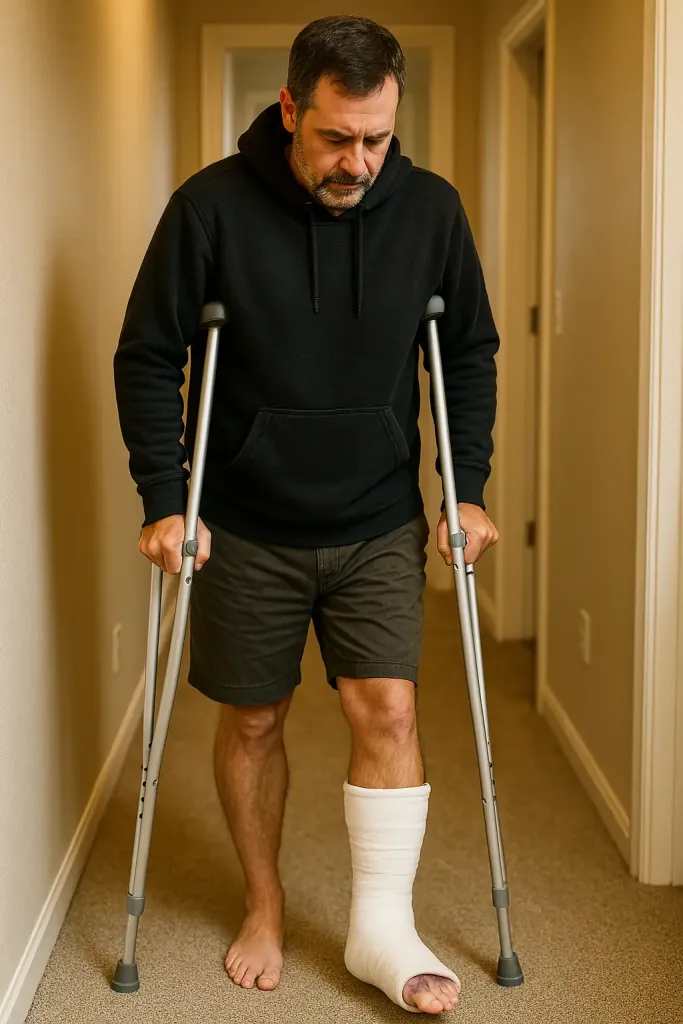
Domestic Abuse: This includes physical violence, emotional abuse, coercive control, or threats made by a partner, ex-partner, family member, or someone you live with. Domestic violence claims are often made by those in abusive relationships or households.
Hate Crime: Assault or abuse motivated by hostility towards your race, religion, gender identity, sexual orientation, disability, or cultural background. Hate crimes are taken seriously by both the CICA and police.
Armed Robbery: If you were assaulted or threatened during a robbery, especially with the use of a weapon, you may be entitled to compensation for any physical or mental injuries sustained.
Witness Trauma: Even if you were not the direct victim, witnessing a violent crime such as a stabbing, shooting, or murder can lead to psychological injuries like PTSD, and may qualify for a claim.
Fatal Injuries: If a loved one died as a result of a violent crime, you may be eligible for bereavement compensation, funeral cost reimbursement, and dependency payments. This applies to close relatives such as partners, parents, and children.
Looking for some help?
How much can the CICA award for physical injuries claim?
Our cica claim calculator in the main menu will help you with estimating the potential compensation that may be paid in respect to your claim. However, be aware that figures do vary considerably depending upon the nature (severity) of the injury, period of suffering and whether any mental harm has been caused. Some common example award payouts are listed below relevant to the criminal injuries compensation claim:
Frequently Asked Questions (FAQs) – Victim Compensation Claim
Can I claim victim compensation if I didn’t go to the hospital after the assault?
Yes, you may still be eligible to make a victim compensation claim from CICA claim if you didn’t attend hospital after the assault. Many victims of violent crime don’t go to the hospital immediately – especially if they are in shock, afraid to come forward, or feel they can manage their injuries on their own. While attending A&E can provide useful medical documentation to support your claim, it is not mandatory.
The Criminal Injuries Compensation Authority does not automatically dismiss your claim if hospital records are absent. Instead, they will look for other types of medical or therapeutic evidence to understand the extent of the harm you suffered. This can include GP records, therapy notes, counseling reports, or later mental health assessments. It’s important that the documentation clearly links your injuries or trauma to the incident you are reporting. You may also submit personal statements or witness accounts to add context and support your version of events.
What if I only reported the crime weeks or months later?
Delayed reporting does not automatically disqualify your application for victim compensation claim. The CICA recognises that victims of violent crime – especially those who have experienced domestic abuse, sexual assault, or childhood trauma – may not feel safe or able to come forward immediately. Emotional shock, fear of retaliation, and lack of support are all valid reasons for not reporting the crime straight away.
As long as you eventually reported the crime to the police and cooperated with their investigation, you can still apply. The key is to provide a reasonable explanation for the delay, supported by evidence if possible. For example, if you were receiving therapy or counselling during that time, records from your therapist may help confirm why you postponed reporting. CICA will assess each case on its individual merits.
Can I make victim compensation claim for psychological trauma alone?
Yes, psychological trauma can form the sole basis of a CICA claim, even if you suffered no physical injuries. Many victims experience long-term mental health issues after a violent crime, including post-traumatic stress disorder (PTSD), anxiety, depression, phobias, and insomnia. These conditions can significantly impact your quality of life and ability to work, study, or maintain relationships.
To claim compensation for psychological trauma, you’ll need a formal diagnosis from a clinical psychologist or psychiatrist. CICA does not accept a GP’s opinion alone. You must demonstrate that the trauma is a recognised mental health condition and that it directly resulted from the crime. A detailed psychiatric report that explains your diagnosis, treatment plan, and the prognosis for your condition can help maximise your award.
Do I need to attend court or face the offender to claim victim compensation?
No, you are not required to go to court or confront the offender to make a successful CICA claim. The compensation process is entirely separate from the criminal justice system. Even if the offender is not identified, not arrested, or not prosecuted, you may still receive compensation if you meet the CICA eligibility requirements.
Many victims are understandably fearful of legal proceedings and prefer to avoid further trauma by staying away from court. With CICA, there is no obligation to testify or participate in a trial. Instead, the CICA evaluates your claim based on the balance of probabilities using police reports, medical evidence, and your personal statement.
Will my own criminal record affect my ability to make victim compensation claim?
Yes, your criminal history may impact your eligibility or reduce your compensation. The CICA operates on the principle that applicants should be of good character and may reject or reduce a claim if the applicant has unspent criminal convictions, especially those involving violence, sexual offences, or dishonesty.
That said, not all criminal records are treated equally. Minor or spent convictions might not affect your victim compensation claim, especially if they occurred long ago or are unrelated to violent conduct. If you have a record, it’s essential to disclose it in your application honestly and let CICA decide how it affects your eligibility. A solicitor can also help evaluate your chances and present your background in the most constructive way.
How do I prove emotional abuse or coercive control in domestic abuse cases?
Proving non-physical abuse can be more complex, but it is possible and increasingly recognised under UK law. Emotional abuse, gaslighting, and coercive control can cause severe psychological trauma. Victims often suffer from long-term anxiety, PTSD, depression, and loss of self-esteem.
To support a claim based on emotional or psychological abuse, compile as much evidence as possible. This may include police incident logs, non-molestation orders, witness statements from friends, emails, texts, call logs, or therapy notes. Additionally, a report from a qualified mental health professional confirming the impact of the abuse on your wellbeing can be crucial. These forms of documentation help show a pattern of coercive behaviour and its effect on your mental health.
Can I make a claim if the assault happened at work?
Yes, victims who were assaulted at their place of work can submit a claim to CICA if the incident involved criminal violence. This applies to workers in all sectors, including retail, education, healthcare, public transport, hospitality, and more. Common workplace incidents include being attacked by a customer, patient, student, or even a colleague.
The important criteria are that the incident must involve a crime of violence and must be reported to the police. Your employer’s liability, disciplinary action, or internal policies are irrelevant to the CICA process. What matters is the criminal nature of the act and the personal impact on you.
Can I still claim if I moved to another country after the incident?
Yes, under certain conditions, you may still qualify for CICA compensation even if you no longer live in the UK. The primary requirement is that the incident occurred in England, Wales, or Scotland, and you met the residency rules at the time of the crime. This includes being a British citizen, EU national with settled status, or having refugee status or humanitarian protection.
CICA will need to access police and medical records from the UK, so it is vital to ensure that those documents remain available and up to date. Communication may be slightly slower from abroad, but the claim process can still proceed, especially if you work with a UK-based solicitor to coordinate documentation and contact with CICA.
What if I was under the influence of alcohol or drugs when the crime happened?
Being under the influence of alcohol or drugs at the time of the incident does not necessarily invalidate your claim. However, CICA will assess whether your intoxicated state contributed to the circumstances of the assault. If your actions while intoxicated escalated the situation or provoked the violence, the authority may reduce or deny the award.
It’s essential to be honest about your state during the incident. If your use of substances was unrelated to the crime (e.g., you were attacked without provocation), then your intoxication may not affect your eligibility. Supporting statements, CCTV footage, and police records will help clarify your level of responsibility in the event.
Can I make a victim compensation claim on behalf of my child who was a victim?
Yes. Parents, legal guardians, or court-appointed representatives can make victim compensation claim on behalf of a child who has experienced a violent crime. The application process is similar to that of an adult, with the added requirement that the compensation is typically held in a government-monitored trust fund until the child reaches the age of 18.
Children who have experienced physical assault, sexual abuse, or traumatic events like witnessing homicide may all qualify for compensation. The key is to report the crime to the police and seek medical or psychological evaluation to support the claim.
What happens if I develop PTSD after submitting my claim?
It’s not uncommon for mental health symptoms such as PTSD to appear weeks or even months after a traumatic incident. If you’ve already submitted your claim and later receive a diagnosis of a qualifying psychological injury, you can submit new evidence to CICA. They may re-evaluate your claim and adjust your compensation accordingly.
The new evidence should include a professional psychiatric assessment outlining the diagnosis, impact, and expected recovery period. Submitting timely updates helps keep your claim current and ensures you are compensated fairly for your injuries as they evolve.
Do I need a solicitor to make a CICA claim?
While you are not legally required to hire a solicitor, many applicants find professional legal guidance beneficial – especially for complex claims. A solicitor can help ensure that your application is complete, correctly framed, and includes all relevant documentation.
Solicitors are particularly valuable in cases involving historical abuse, psychological trauma, disputed facts, or substantial loss of earnings. Many CICA solicitors offer services on a “no win, no fee” basis, meaning they only take payment if you receive an award.
Can I appeal if I’m unhappy with the amount CICA awarded me?
Yes, you absolutely have the right to challenge a CICA decision if you believe the compensation amount is too low or that relevant aspects of your injuries or losses were not properly considered. The process begins with a request for an internal review, which must be submitted within 56 days of receiving your original decision letter. During this review, you can submit new medical evidence, clarify factual details, or highlight errors in the assessment.
If you are still dissatisfied after the internal review, you can escalate your case to the First-tier Tribunal, an independent body that hears appeals against CICA decisions. At this stage, it is strongly recommended to seek legal representation. A solicitor can help prepare the appeal bundle, gather expert reports, and represent you at the tribunal hearing if needed. Many awards are successfully increased at the review or appeal stage, particularly when injuries have been underestimated or important documentation was not originally submitted.
How do I update my claim if my injuries worsen after I’ve applied?
If your medical condition deteriorates or you develop new symptoms after you’ve submitted your application, you can still provide additional medical evidence for consideration. The CICA recognises that the full extent of injuries – especially psychological trauma – may not become clear until weeks or months later. For example, you may be diagnosed with PTSD after initially reporting only physical injuries.
It is important to notify CICA in writing and provide updated documentation from qualified healthcare professionals. These updates may influence the tariff category your injuries fall into and could result in a higher award. Keep in mind that the earlier you provide updates, the more easily they can be factored into the decision-making process without delaying payment.
What if I didn’t realise I could claim and it’s been over 2 years?
While the standard CICA time limit is two years from the date the crime occurred, this deadline can be extended in exceptional cases. The CICA may consider late applications if you can demonstrate that circumstances beyond your control – such as psychological trauma, childhood abuse, or mental incapacity – prevented you from submitting a claim within the prescribed time.
Victims of historical sexual abuse, for instance, often come forward many years after the incidents due to the sensitive nature of the trauma. In such cases, CICA looks at whether you reported the crime as soon as reasonably practicable and whether you have a valid reason for the delay. Supporting evidence from mental health professionals or documentation of delayed disclosure can strengthen your request for an extension.
Can I claim for multiple incidents of abuse or assaults?
Yes, the CICA scheme allows you to claim for repeated incidents of violence or abuse, particularly if they form a pattern of behaviour – such as in domestic abuse or child exploitation cases. You should include all relevant incidents in one comprehensive application. If the assaults were separate and unrelated, you may need to submit multiple applications, depending on how the events are classified.
It’s important to provide clear timelines, locations, and police reference numbers for each reported event. The more specific and consistent your claim, the better the CICA will be able to assess the cumulative impact of the abuse. Solicitors can assist in structuring such claims for maximum clarity and compensation.
Will CICA cover private medical treatment or therapy costs?
In certain circumstances, yes. While the NHS provides most essential healthcare services, some victims require urgent or specialist treatment not readily available through public services. If you’ve had to pay out-of-pocket for psychological counselling, physiotherapy, specialist trauma care, or mobility aids, you may be able to recover those expenses under the special expenses provision of the scheme.
To be eligible, the costs must be reasonable, necessary, and directly related to your injury. You must also provide proof that the treatment could not have been accessed for free at the time. Original receipts, invoices, and a medical justification letter are essential to claim these expenses.
How do I prove my loss of earnings if I was self-employed?
Proving loss of earnings as a self-employed person can be more challenging than for employees with standard payslips. However, CICA will consider your claim if you submit comprehensive documentation that evidences your regular income before the injury and your inability to work afterward. This may include recent tax returns, business bank statements, profit and loss accounts, and confirmation from an accountant.
CICA calculates loss of earnings using the national minimum wage unless exceptional proof is provided. Therefore, the more detailed your financial history, the stronger your case will be for compensation that reflects your actual income.
Can I still claim if I didn’t press charges against the offender?
Yes. Filing charges or pursuing prosecution is not a condition for receiving CICA compensation. The only legal requirement is that you reported the crime to the police and cooperated with their investigation. Whether the police decided not to charge the offender or the Crown Prosecution Service chose not to proceed with the case, your right to claim remains unaffected.
What matters most is your willingness to support the investigation and the availability of evidence linking the crime to your injuries. Victims often worry that without a court case, their experiences won’t be taken seriously, but CICA assesses claims on the balance of probabilities – not proof beyond reasonable doubt.
Is there a maximum amount I can receive from CICA?
Yes, there is a statutory cap on CICA awards. The maximum amount payable under the scheme is £500,000. This figure includes all injury tariffs, loss of earnings, and special expenses combined. While the majority of claims fall well below this ceiling, it is most relevant in cases involving catastrophic injury – such as permanent disability, loss of multiple senses, or sustained loss of income.
If your claim involves several components (e.g., multiple injuries, high care needs, and long-term unemployment), you may approach or exceed six figures. A solicitor can help ensure that all eligible elements are correctly calculated to maximise your award without breaching the statutory limit.
What should I do if CICA rejects my claim completely?
If your claim is rejected, don’t panic – there are clear steps you can take to challenge the decision. First, carefully read the reasons provided in your decision letter. You may request a formal internal review if you believe the evidence was misinterpreted or new information has come to light. The review request must be submitted within 56 days.
If the review outcome is still unfavourable, you have the right to appeal to the First-tier Tribunal. Legal representation is advisable at this stage. Many rejected claims are overturned or revised with the help of solicitors who can pinpoint weak spots in the original application and strengthen the appeal with fresh evidence or expert input.
Can I claim victim compensation if I witnessed a violent crime but wasn’t directly harmed?
Yes, witnessing a traumatic event – such as a violent assault, stabbing, or homicide – can result in severe psychological injury. CICA acknowledges this and may award compensation for mental trauma experienced by witnesses. However, you must show that the impact was serious enough to result in a diagnosed mental health condition such as PTSD or clinical anxiety.
A formal diagnosis from a clinical psychologist or psychiatrist is necessary. Additionally, you must prove that you were present at the scene or directly affected by what you witnessed. CICA will assess how closely you were connected to the victim and whether your trauma can be medically linked to the event.
Are funeral costs always covered in homicide claims?
CICA does provide a contribution toward funeral expenses in homicide claims, but certain conditions must be met. The victim’s death must be the result of a qualifying crime of violence, and you must provide proof that you are responsible for the funeral arrangements and costs.
The maximum funeral payment is capped at £5,000 and is paid to the individual who incurred the expense. It’s important to retain original invoices or receipts, and claims must be submitted within the normal CICA deadlines. In some cases, bereavement awards and dependency payments may also apply in addition to funeral expenses.
Can I track the progress of my claim online?
No, CICA does not currently offer a real-time online tracking portal similar to those used by parcel services or some benefit systems. While your application will be assigned a reference number, and correspondence is handled in writing or by email, you won’t be able to log in to an online dashboard and see a step-by-step breakdown of your claim’s status.
However, if you want an update, you can contact the CICA directly using your reference number via phone or post to request the current status. If you’re working with a solicitor, they will handle all correspondence and updates for you, often maintaining their own internal systems to track key stages of your claim. Regular contact with your solicitor or the CICA team can help ensure that your application progresses smoothly and that you don’t miss important requests or deadlines.
What happens if I accidentally gave incorrect information on my application?
If you realise after submission that you have included incorrect details – whether a date, name, injury description, or other key facts – you should act quickly to notify the CICA in writing. Minor errors or omissions are relatively common, especially when victims are dealing with trauma, and the authority generally allows claimants to correct mistakes without penalty if they are transparent and timely.
However, if inaccurate information is left uncorrected or discovered later – especially if it significantly affects eligibility, injury valuation, or the narrative of events – CICA may reduce the award or, in serious cases, reject the claim entirely. Intentional misrepresentation can be treated as fraud.
Being open, proactive, and accurate in all correspondence is vital. If you’re unsure how to explain or document a correction, a solicitor can assist you in drafting a clear, honest explanation to submit to the CICA.
Criminal Injuries Compensation Basic Eligibility Requirements:
You need to meet some basic requirements before you can claim compensation from CICA
- Time Limit: There is a two-year time limit for making a CICA claim for compensation under the scheme, although exceptions may be made in cases where the injury was not immediately apparent or where the victim was a child at the time of the crime. Exceptions may be made for historic sexual abuse cases else you should have a good reason for delay in making a claim.
- Connection Between Injury & Crime: The injuries you are claiming for must have been sustained as a direct result of a crime of violence and and you are a blameless victim.
- Reporting the Crime: The crime must have been reported to the police as soon as is reasonably practicable and you do not drop the charges. The victim must have cooperated with the police investigation and prosecution. CICA does not consider whether an assailant is prosecuted or not.
- Residency: To be eligible for compensation under the CICA scheme, the incident must have happened in England, Scotland or Wales and victim must have been resident in the UK at the time of the crime.
- Behaviour of The Victim: The victim’s behavior must not have contributed to the injury. In certain circumstances, compensation may still be payable even if the victim’s behavior contributed to the injury, but this will be assessed by CICA on a case-by-case basis.
- Criminal Convictions: In some cases, compensation may be reduced or refused if the victim has a unspent criminal record.
If you are considering making a compensation claim for your injuries, it’s always best to consult with a solicitor or the Criminal Injuries Compensation Authority (CICA) to check your eligibility to make a claim. You can call us or request a free callback for a free initial consultation. We take all CICA cases on a No Win, No Fee basis. This means you don’t need to pay us anything if we won’t able to secure any compensation.

How do you know if you are eligible to make a compensation claim with CICA?
In order to apply for compensation from the CICA following an assault incident, you need to minimum meet the following eligibility criteria:
- You must have reported the assault to the police and have a crime reference number;
- The police must be able to investigate thoroughly with your full cooperation;
- You must submit your claim to the CICA within 2 years from the date of incident*.
*It may be possible to claim after the deadline where the victim suffers from mental health problems or has an exceptional reason for any delay in submitting the claim.
Looking for some help?
How We Can Help With CICA Claim?
- Providing Advice on Eligibility: We can help determine if you are eligible for compensation through the CICA scheme, based on the specific circumstances of your case and the other requirements of the scheme. We can help you recover compensation from £1,000 to £500,000.
- Gathering & Presenting Evidence: We can help gather and present evidence to support your claim, including medical records, injury form, GP report and other forms & relevant documentation. We will fight to recover the compensation that you deserve & deal with matters on your behalf.
- Completing the Application Form: We will complete the application form for CICA compensation on your behalf to ensure that it is completed correctly and submitted in a timely manner. We will handle everything on priority basis and keep it confidential.
- Negotiating the Compensation Amount: We will negotiate with the CICA on your behalf to ensure that you receive the maximum amount of compensation available under the scheme. We will also advise you that the compensation award offered is appropriate or not.
- No Win, No Fee: We will proceed with you claim on a No Win, No Fee basis. You don’t need to pay us anything if we won’t able to secure any compensation for you from CICA.
It’s important to note that while a solicitor is not required to make a claim for compensation through the CICA, many victims find it helpful to have legal representation to ensure that their rights are protected and that they receive the maximum amount of compensation available.
We are here to help!
If you, a friend or a family member has suffered physical or psychological injuries as a result of a violent crime, it may be possible to apply to the CICA for compensation.
“The Criminal Injuries Compensation Authority (CICA), is a government organisation which provides compensation for victims of violent crime in England, Wales, and Scotland. We represent victims of violent crime to get compensation from CICA.”